Top Summer Plumbing Emergencies in Denver and How to Prevent Them
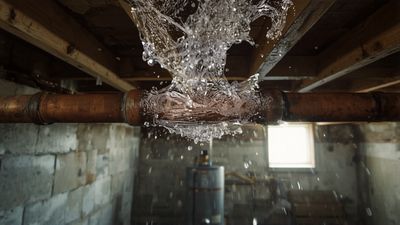
Summer in Denver is hard on your plumbing in ways most homeowners never see coming. Monsoon storms overwhelm sump pumps, tree roots hit their growing season and crush sewer lines, and a house full of guests pushes drains and water heaters past their limits. The good news: nearly every summer plumbing emergency is preventable with a little planning - and far cheaper to stop than to repair.
This guide covers the plumbing emergencies Denver homeowners face most between June and September, what they cost to fix, and the simple steps that keep a small problem from becoming a flooded basement. If you're in Aurora and need an emergency plumber in Aurora, we offer 24/7 response.
Why Summer Is Peak Season for Plumbing Emergencies in Denver
It seems backwards - we worry about frozen pipes in January, not July. But Denver summers create their own set of plumbing stressors:
- Monsoon season (typically July through early September) dumps heavy, fast rain that floods basements and overworks sump pumps.
- Tree roots grow fastest in warm months, reaching toward the water and nutrients inside your sewer line and cracking older clay pipes.
- Higher water usage from guests, kids home from school, lawn watering, and extra laundry strains drains, water heaters, and supply lines.
- Denver's hard water keeps building scale year-round, and summer's heavy use accelerates wear on water heaters and fixtures.
The result is a predictable spike in calls every summer. Here's what tops the list - and how to stay off it.
1. Sewer Line Backups After Summer Storms
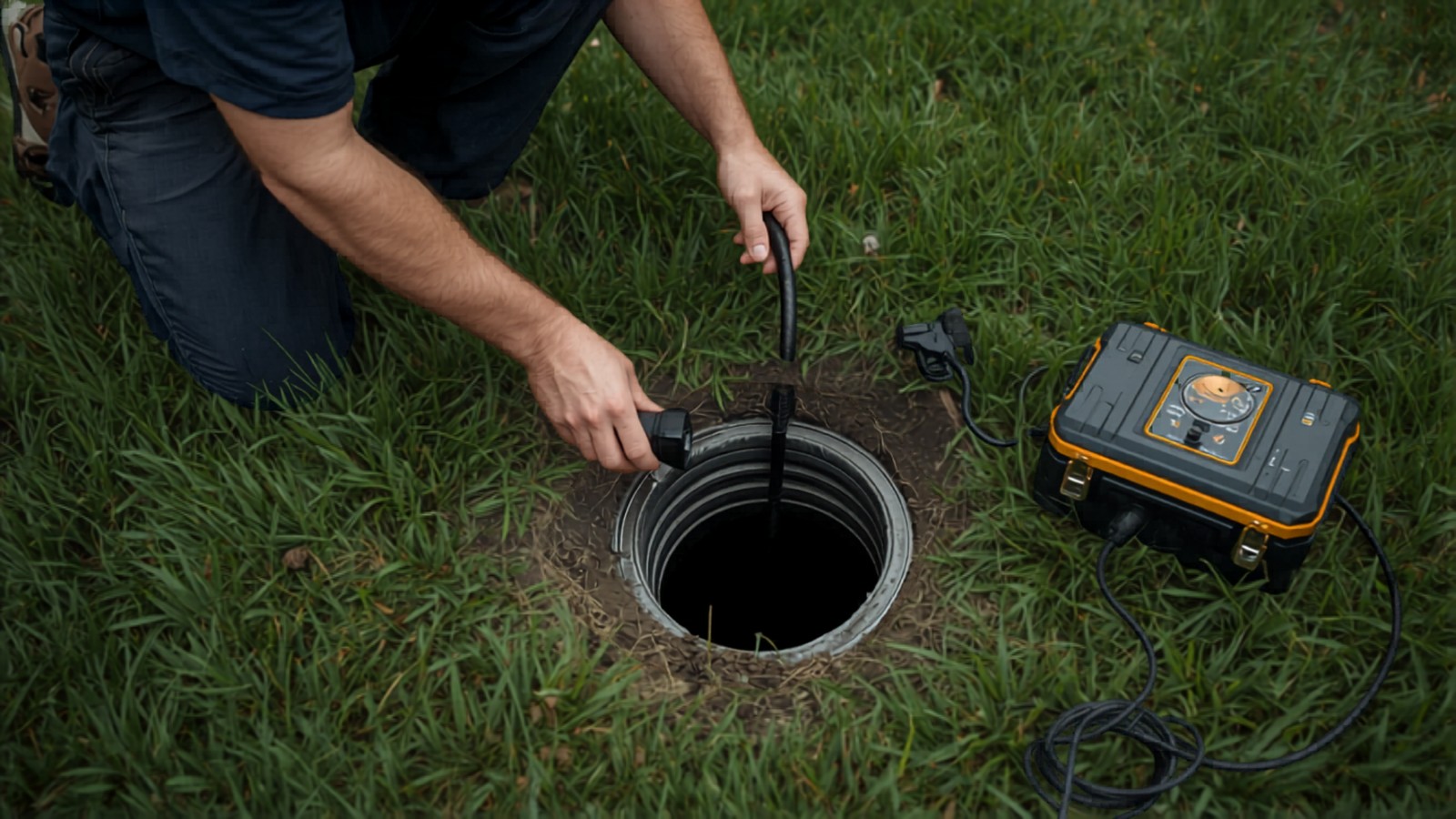
A sewer backup is the worst-case summer emergency: sewage rising into floor drains, tubs, and basement toilets. Denver's older neighborhoods - Wash Park, Berkeley, Park Hill, Congress Park - still have clay sewer pipes, and summer is when tree roots do the most damage, working into pipe joints in search of water. Add a heavy monsoon storm that saturates the ground, and a partially blocked line backs up fast.
What it costs: Clearing a main sewer line clog runs $300 to $900 with a cable machine. Severe root buildup may need hydro jetting at $370 to $635. If the line is cracked or collapsed, repairs start around $500 and a full replacement runs $5,000 to $15,000 or more.
How to prevent it: Schedule a sewer camera inspection before summer if you have mature trees or an older home - it spots root intrusion before it backs up. Never flush wipes, and avoid pouring grease down the drain. If you've had backups before, ask about a yearly preventive cabling.
2. Sump Pump Failures During Monsoon Rains
When Denver's afternoon storms roll in, your sump pump is the only thing standing between a heavy downpour and a flooded basement. Summer is exactly when these pumps fail - either because they're old and worn out, or because they've sat idle and seize up right when you need them.
What it costs: Sump pump repair runs $300 to $900 depending on the failure. A flooded basement costs far more - water damage cleanup alone adds $1,000 to $2,100 on top of whatever else gets ruined.
How to prevent it: Test your pump now, before the next storm. Pour a bucket of water into the pit and confirm it kicks on and drains. If your pump is more than seven years old, runs constantly, or makes grinding noises, have it inspected. A battery backup pump is cheap insurance for a home that floods when the power goes out mid-storm.
3. Burst Washing Machine Hoses
Summer means more laundry - beach towels, camp clothes, guest sheets - and the rubber supply hoses behind your washing machine are a top cause of sudden home flooding. A hose that's been quietly degrading for years tends to let go under heavy use, and if it bursts while you're out, it can release hundreds of gallons.
What it costs: The repair itself is minor, but the water damage isn't. Cleanup from an unattended burst hose routinely runs $1,000 to $2,100 or more.
How to prevent it: Replace rubber washing machine hoses with braided stainless steel hoses - they cost a few dollars and last far longer. Turn off the supply valves if you'll be away for a weekend or vacation. Inspect hoses for bulges, cracks, or rust at the connections.
4. Clogged Kitchen Drains and Garbage Disposals
Summer cookouts, big family meals, and houseguests put your kitchen drain under serious load. Grease from grilling, corn husks, and fibrous food scraps are the usual culprits. Grease is the sneakiest: it goes down warm and liquid, then cools and hardens into a blockage that catches everything behind it.
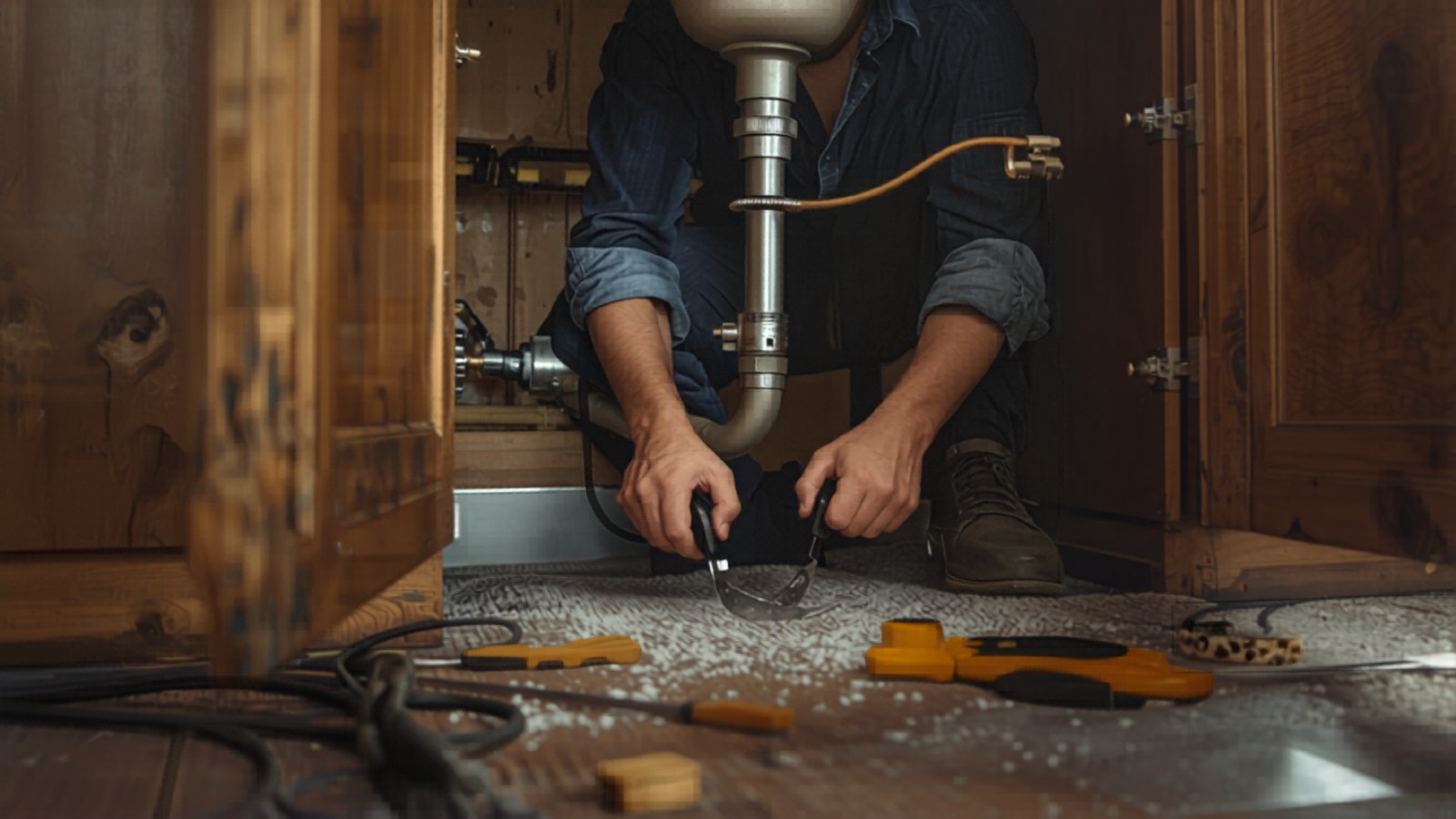
What it costs: Professional drain cleaning in Denver starts at $299 for a full cable cleaning. A garbage disposal repair runs $300 to $600.
Watch out for the $99 special: Those coupon ads are a loss leader. A tech runs a small cable, punches a hole through the clog, and the water drains - for now. The grease lining your pipe is still there, the clog comes back in weeks, and that's when the upsell to a $3,000 "repair" starts. At Mr. Perfect Plumbing, $299 buys a real cleaning: a full-size cable machine with cutting blades sized to your pipe, scraping the walls clean so the drain stays clear.
How to prevent it: Never pour grease down the drain - collect it in a can and trash it. Run cold water while the disposal runs, and keep stringy or starchy foods (celery, potato peels, pasta) out of it.
5. Overworked Water Heaters
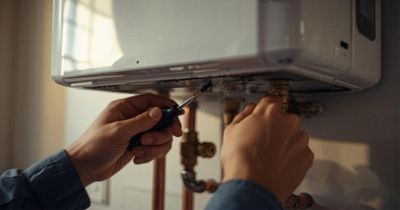
Your water heater doesn't get a summer break. More guests and more laundry mean more hot water demand, and Denver's hard water keeps depositing scale on the tank and elements. Summer's heavy use is often what finally pushes a marginal heater into failure - usually a leak, no hot water, or a tank that can't keep up.
What it costs: Water heater repair in Denver runs $300 to $700. When repair costs approach half the price of a new unit - or the heater is past 10 years old - replacement usually makes more sense. Replacing an existing tankless unit runs $3,500 to $4,000; a new tankless installation (converting from a tank) runs $6,500 to $8,500 with venting and gas line upgrades.
How to prevent it: Flush your tank yearly to clear sediment. Denver's hard water is brutal on tankless water heaters - scale is the #1 cause of early failure, which is why we recommend pairing any tankless install with a whole-house water filtration system to protect the unit and keep the warranty intact.
6. Outdoor Hose Bib and Sprinkler Leaks
Summer is when your outdoor plumbing gets used - and when winter freeze damage finally shows up. A hose bib (outdoor faucet) that cracked during a hard freeze may not leak until you turn it on in June, sometimes spraying water inside the wall behind it. Sprinkler and irrigation line breaks are common too, quietly wasting water and spiking your bill.
What it costs: A hose bib or outdoor faucet repair typically falls in the $300 to $500 range; a leak behind the wall it feeds can run $500 to $1,200.
How to prevent it: The first warm day, turn on each outdoor faucet and put your thumb over the opening - if you can stop the flow, the pipe inside may be cracked and needs attention. Disconnect and drain hoses before the first fall freeze so this doesn't repeat next year. Watch for soggy spots in the lawn that signal an irrigation leak.
7. Toilet Clogs and Overflows
It's not glamorous, but a full house means heavier bathroom use, and toilet clogs and overflows climb every summer - especially with kids and guests who may flush things they shouldn't.
What it costs: A toilet repair in Denver runs $300 to $500. If the clog is actually in the main line, you're back to the $300 to $900 sewer range.
How to prevent it: Flush only toilet paper - "flushable" wipes are the leading cause of summer clogs. Keep a flange plunger in each bathroom, and if more than one fixture backs up at once, stop using water and call a plumber - that's a main line problem, not a single toilet.
Summer Plumbing Repair Costs in Denver: Quick Reference
| Summer Emergency | Typical Denver Cost (2026) |
|---|---|
| Drain cleaning (cable machine) | From $299 |
| Garbage disposal repair | $300-$600 |
| Toilet repair | $300-$500 |
| Hose bib / outdoor faucet repair | $300-$500 |
| Sump pump repair | $300-$900 |
| Water heater repair | $300-$700 |
| Main sewer line clog | $300-$900 |
| Hydro jetting (heavy roots) | $370-$635 |
| Leak behind a wall | $500-$1,200 |
| Water damage cleanup | $1,000-$2,100 |
| Sewer line repair (minor) | $500-$3,000 |
| Sewer line replacement | $5,000-$15,000+ |
For a licensed, insured plumber in Denver, expect rates around $300 per hour, with most complete repair jobs landing between $300 and $800 once parts, labor, and warranty are included. Always ask for a flat-rate quote upfront - and be skeptical of teaser pricing that doesn't include trip fees, materials, or a warranty.
Your Summer Plumbing Prevention Checklist
A few minutes now saves a four-figure emergency later:
- Test your sump pump before monsoon season hits.
- Replace rubber washing machine hoses with braided steel.
- Schedule a sewer camera inspection if you have mature trees or an older home.
- Flush your water heater to clear sediment.
- Check outdoor faucets for hidden freeze damage.
- Never pour grease down the kitchen drain.
- Know where your main water shutoff valve is - and that it turns.
Frequently Asked Questions About Summer Plumbing in Denver
What are the most common summer plumbing emergencies in Denver?
The most common summer plumbing emergencies in Denver are sewer line backups from tree roots and monsoon storms, sump pump failures during heavy rain, burst washing machine hoses, clogged kitchen drains from cookout grease, and overworked water heaters. Most are preventable with seasonal maintenance.
Why do sewer lines back up more in summer?
Tree roots grow fastest in warm months and push into the joints of older clay sewer pipes in search of water. When a heavy monsoon storm saturates the ground, a partially blocked line backs up quickly. A camera inspection before summer catches root intrusion early.
How much does it cost to fix a sump pump in Denver?
Sump pump repair in Denver costs $300 to $900 depending on the failure. That's far cheaper than a flooded basement, where water damage cleanup alone adds $1,000 to $2,100. Test your pump before monsoon season and consider a battery backup for power outages.
How can I prevent a flooded basement during Denver monsoon season?
Test your sump pump before storm season by pouring water into the pit to confirm it runs and drains. Replace a pump older than seven years, add a battery backup for outages, and keep window wells and gutters clear so water drains away from the foundation.
How much does drain cleaning cost in Denver?
Professional drain cleaning in Denver starts at $299 for a full cable cleaning with properly sized cutting blades. Be cautious of $99 specials - they punch a hole through the clog rather than cleaning the pipe, and the clog returns within weeks.
Should I call an emergency plumber for a summer plumbing problem?
Yes, if water is actively flooding, sewage is backing up, or multiple fixtures are draining slowly at once. A burst hose or backed-up sewer line can cause thousands in damage within hours. Emergency service costs more than a scheduled visit but far less than water damage restoration.
Get Ahead of Summer Plumbing Problems
The cheapest plumbing emergency is the one that never happens. A quick seasonal check of your sump pump, water heater, hoses, and sewer line costs little - and spares you the flooded-basement call during the next monsoon storm.
Contact Mr. Perfect Plumbing for an honest, upfront quote on summer maintenance or emergency plumber in Denver - before a small problem becomes a big one.