Emergency Plumbing Procedures in Denver: What To Do During a Pipe Burst or Water Leak
A pipe burst or water leak can cause rapid damage and create safety hazards. Following the correct steps reduces loss and protects occupants. This article outlines essential emergency plumbing procedures: immediate actions, safety precautions, how to identify an emergency, how to shut off the water supply, and when to contact a qualified emergency plumber. Implementing these procedures helps Denver homeowners and businesses respond quickly and limit damage.
Immediate Actions to Take:
When a pipe bursts or a leak occurs, prompt action limits damage. The following steps prepare you to act decisively.
Stay Calm and Assess the Situation: Take a moment to evaluate the extent of the leak or burst. This will help you determine the urgency of the situation.
Shut Off the Main Water Supply: Locate the main water shutoff valve and turn it off to prevent further water damage.
Control the Damage: Move any valuables or furniture away from the affected area to minimize damage.
These immediate actions reduce property damage and can lower repair costs.
Safety Precautions:
Prioritise safety during any plumbing emergency. Use these precautions to protect people and property.
Turn Off Power: If water is near electrical outlets or appliances, turn off the power to prevent electrical hazards.
Avoid Using Affected Fixtures: Do not use sinks, toilets, or other fixtures that may be affected by the leak or burst.
Adhering to these measures reduces the risk of electrical shock and further injury.
Contact Information for Emergency Plumbing Services:
Keep reliable emergency contact information available. Mr Perfect Plumbing provides 24/7 emergency assistance; call 720-575-3039 for immediate support. Their team is trained to address a range of plumbing emergencies efficiently.
How Can You Identify a Pipe Burst Emergency in Denver Homes and Businesses?

Detecting a pipe burst early reduces repair scope. Monitor for visible and audible signs that indicate an active leak.
Water Stains on Walls or Ceilings: Discoloration or damp spots can indicate a leak behind the walls.
Unusual Water Pressure: A sudden drop in water pressure may signal a burst pipe.
Sound of Running Water: If you hear water running when no fixtures are in use, it could indicate a leak.
Early recognition of these signs allows you to act before damage worsens.
Assessing the Severity of the Situation:
After you suspect a pipe burst, assess how severe the incident is to prioritise actions and resources.
Determine if Water is Actively Flowing: If water is gushing, immediate action is required to shut off the main supply.
Check for Electrical Hazards: Ensure that there are no electrical risks in the vicinity of the leak.
An accurate assessment guides whether you need urgent professional intervention or temporary measures.
What Are the Common Signs of a Pipe Burst?
Recognise common indicators so you can respond without delay.
Water Stains: Look for discoloration on walls or ceilings.
Pooling Water: Noticeable water accumulation in areas where it shouldn't be.
Unusual Sounds: Listen for sounds of water running or dripping.
These signs are reliable early warnings of a plumbing emergency.
How Does Denver's Climate Affect Pipe Burst Risks?
Local climate factors increase the likelihood of pipe failure. Be aware of conditions that stress plumbing systems.
Temperature Fluctuations: Rapid changes in temperature can cause pipes to expand and contract, leading to potential bursts.
Older Pipes: Many homes in Denver have aging plumbing systems that are more susceptible to failure.
Research has examined Denver's water infrastructure challenges, including assessments of pipe break probabilities and the prioritisation of water main renewals.
Understanding these local risks helps homeowners adopt targeted preventative measures.
What Are the Immediate Steps to Shut Off Water in a Denver Emergency?
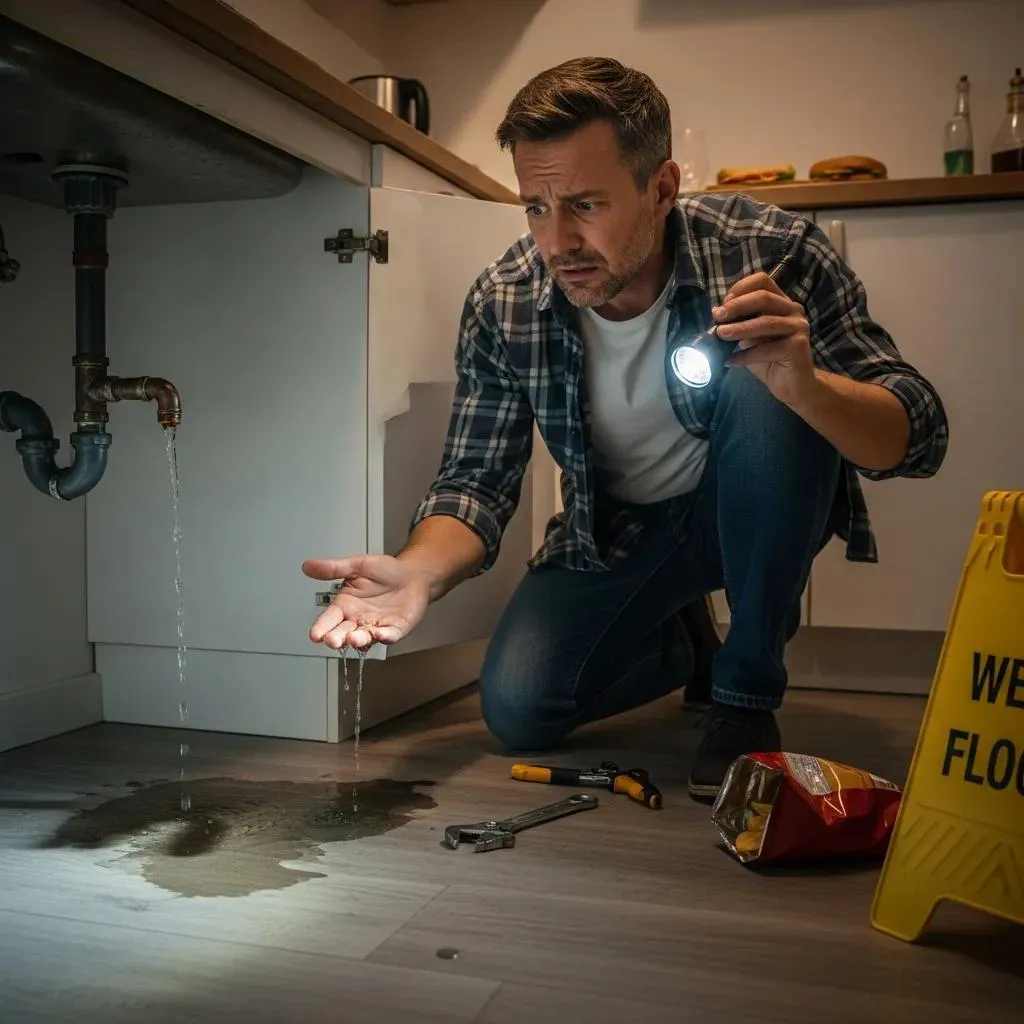
Shutting off the water supply quickly is essential to limit damage. Follow clear, simple steps to isolate the flow.
Locate the Main Water Shutoff Valve: This is typically found near the perimeter of your home, in the basement, or outside.
Turn the Valve Clockwise: This action will shut off the water supply to your home.
Completing these steps promptly reduces water intrusion and eases repair work.
How Do You Locate and Operate the Main Water Shut Off Valve?
Knowing the valve location and operation method ensures you can act without delay in an emergency.
Identify the Location: The valve is usually located near where the water line enters your home, often in the basement or crawl space.
Determine the Type of Valve: Most valves are either a round wheel or a lever. Turn the wheel clockwise or lift the lever to shut off the water.
Familiarity with the valve prevents hesitation and reduces potential damage.
Why Is Rapid Water Shut Off Critical After a Pipe Burst?
Stopping the water flow quickly limits physical and health impacts. Act fast to protect property and occupants.
Minimizes Damage: The longer water flows, the more damage it can cause to your property.
Reduces Health Risks: Standing water can lead to mold growth and other health hazards.
Rapid shut‑off mitigates structural damage and lowers the risk of secondary issues such as mould.
How to Find and Contact a Reliable Emergency Plumber Near Me in Denver
Select a qualified emergency plumber to ensure correct, timely repairs. Use objective criteria when choosing a provider.
Check for Licensing and Insurance: Ensure the plumber is licensed and insured to protect yourself from liability.
Look for Local Recommendations: Ask friends or neighbors for referrals to trusted plumbing services.
Verifying credentials and local reputation helps you engage a competent professional.
What Should You Look for in a 24 Hour Plumbing Service in Denver?
Evaluate 24‑hour services on clear, practical factors that affect outcome and cost.
Licensing and Insurance: Verify that the service is properly licensed and insured.
Experience and Response Times: Look for a company with a proven track record and quick response times.
Choosing a reputable 24‑hour service improves repair quality and reduces downtime.
How Does Mr Perfect Plumbing Provide Trusted Emergency Repairs?
Mr Perfect Plumbing delivers emergency repairs with processes designed to limit damage and restore service.
Rapid Response Times: They prioritize quick responses to minimize damage.
Customer Testimonials: Many satisfied customers attest to their professionalism and efficiency.
Engaging a trusted provider like Mr Perfect Plumbing helps ensure issues are resolved correctly and promptly.
What Are the Essential Emergency Plumbing Repair Services Offered in Denver?
Emergency repair services focus on stabilising the situation and restoring safe operation of plumbing systems.
Burst Pipe Repair: Immediate attention to fix or replace damaged pipes.
Sewer Backup Response: Quick action to address sewer line issues and prevent further complications.
These core services protect property and reduce the chance of recurrent failures.
How Are Water Leak Repairs Conducted During Emergencies?
Emergency leak repairs follow a standard sequence to contain damage and restore service safely.
Immediate Response Steps: Assessing the leak and shutting off the water supply.
Contacting a Professional Plumber: Engaging a qualified plumber to conduct repairs.
Understanding this process clarifies expectations and helps coordinate with responding technicians.
What Is the Typical Duration and Cost of Emergency Plumbing Repairs?
Duration and cost vary by incident severity and required repairs. Be prepared for range rather than fixed estimates.
Response Times for Emergency Plumbers: Most plumbers aim to respond within 1-2 hours.
Cost Variations Based on Urgency: Emergency services may incur higher costs due to the immediate nature of the work.
Awareness of typical response windows and urgency premiums helps you budget and plan for repairs.
How Can You Prevent Pipe Bursts and Plumbing Emergencies in Denver?
Preventative maintenance reduces the frequency and severity of plumbing emergencies.
Regular Inspections: Schedule routine plumbing inspections to identify potential issues early.
Proper Pipe Insulation: Insulate pipes in unheated areas to prevent freezing and bursting.
Consistent maintenance lowers repair costs and improves system reliability.
What Maintenance Tips Reduce Winter Pipe Burst Risks?
Simple maintenance steps reduce winter risk and protect vulnerable plumbing runs.
Insulate Pipes in Unheated Areas: Ensure that pipes in attics, basements, and crawl spaces are properly insulated.
Let Faucets Drip During Extreme Cold: Allowing a small trickle of water can prevent pipes from freezing.
Applying these measures decreases the chance of freeze‑related failures.
How Does Proactive Plumbing Care Save Costs and Avoid Emergencies?
Proactive care detects problems early and prevents escalation into emergencies.
Routine Inspections: Regular check-ups can catch issues before they escalate.
Timely Interventions: Addressing minor repairs promptly can prevent costly emergencies.
Investing in proactive maintenance preserves system integrity and reduces long‑term costs.
What Are the Most Frequently Asked Questions About Emergency Plumbing in Denver?
The following FAQs address typical concerns and set realistic expectations for emergency plumbing.
What does emergency plumbing service include?: Emergency plumbing typically covers urgent repairs like burst pipes and sewer backups.
How fast can emergency plumbers arrive?: Most emergency plumbers aim to arrive within 1-2 hours of your call.
These answers clarify the scope of emergency services and expected response times.
How Quickly Can an Emergency Plumber Respond in the Denver-Aurora Metro Area?
Emergency plumbers in the Denver‑Aurora metro area generally target a 1–2 hour response. Traffic, time of day, and call volume can affect arrival times. Keep this in mind when coordinating emergency response.
Can Homeowners Safely Attempt Temporary Fixes Before Professional Help Arrives?
Homeowners may perform limited temporary measures, provided safety is maintained. Use caution and prioritise actions that prevent further damage.
Shut Off the Main Water Supply First: This is the most critical step to prevent further damage.
Avoid Using Affected Fixtures: Do not use sinks or toilets that may be compromised.
Following these guidelines allows homeowners to stabilise a situation while awaiting professional assistance.