How to Prevent Costly Plumbing Issues
Preventing costly plumbing issues is essential for homeowners looking to maintain their property and avoid unexpected repair bills. This article will provide you with effective plumbing maintenance tips and leak prevention strategies that can save you time and money. By understanding how to prevent plumbing issues, you can ensure the longevity of your plumbing system and avoid the stress of emergency repairs. We will explore key maintenance practices, early detection of plumbing problems, best practices for avoiding pipe bursts, and the importance of professional plumbing services. Additionally, we will discuss how drain cleaning and modern technologies can contribute to effective plumbing maintenance.
What Are the Most Effective Plumbing Maintenance Tips to Prevent Costly Repairs?
Effective plumbing maintenance is crucial for homeowners to avoid expensive repairs. Regular upkeep can help identify potential issues before they escalate into major problems. By implementing a few simple maintenance tips, you can significantly reduce the risk of costly plumbing repairs.
How Does Routine Plumbing Inspection Help Avoid Major Issues?
Routine plumbing inspections are vital for identifying potential problems early. These inspections allow professionals to assess the condition of your plumbing system, checking for leaks, corrosion, and other issues that may not be visible to the naked eye. By catching these problems early, homeowners can save on costly repairs and ensure their plumbing system operates efficiently. Regular inspections can also help identify areas that may require preventive maintenance, such as replacing old pipes or fixtures.
Which Preventive Maintenance Actions Should Homeowners Perform Regularly?
Homeowners should perform several preventive maintenance actions regularly to keep their plumbing systems in top shape. Here are some essential tasks to include in your maintenance routine:
- Check for Leaks: Regularly inspect faucets, toilets, and under sinks for any signs of leaks.
- Clean Drains and Gutters: Ensure that drains and gutters are free from debris to prevent clogs and backups.
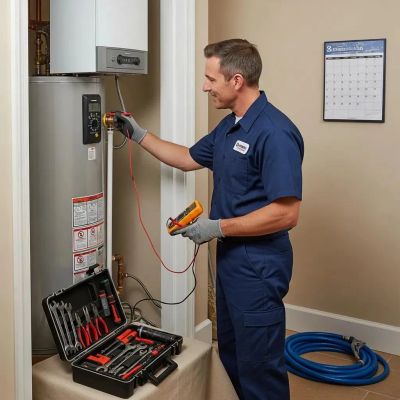
- Inspect Water Heater: Check the water heater for any signs of rust or leaks and flush it once a year to remove sediment buildup.
By incorporating these actions into your routine, you can help prevent costly plumbing repairs and maintain a healthy plumbing system.
How Can You Detect Early Signs of Plumbing Problems Before They Escalate?
Detecting early signs of plumbing problems is essential for preventing costly repairs. Homeowners should be aware of common warning signs that indicate potential issues within their plumbing systems.
What Are Common Warning Signs of Leaks, Corrosion, and Low Water Pressure?
Common warning signs of plumbing issues include:
- Leaks: Look for water stains on walls or ceilings, which may indicate hidden leaks.
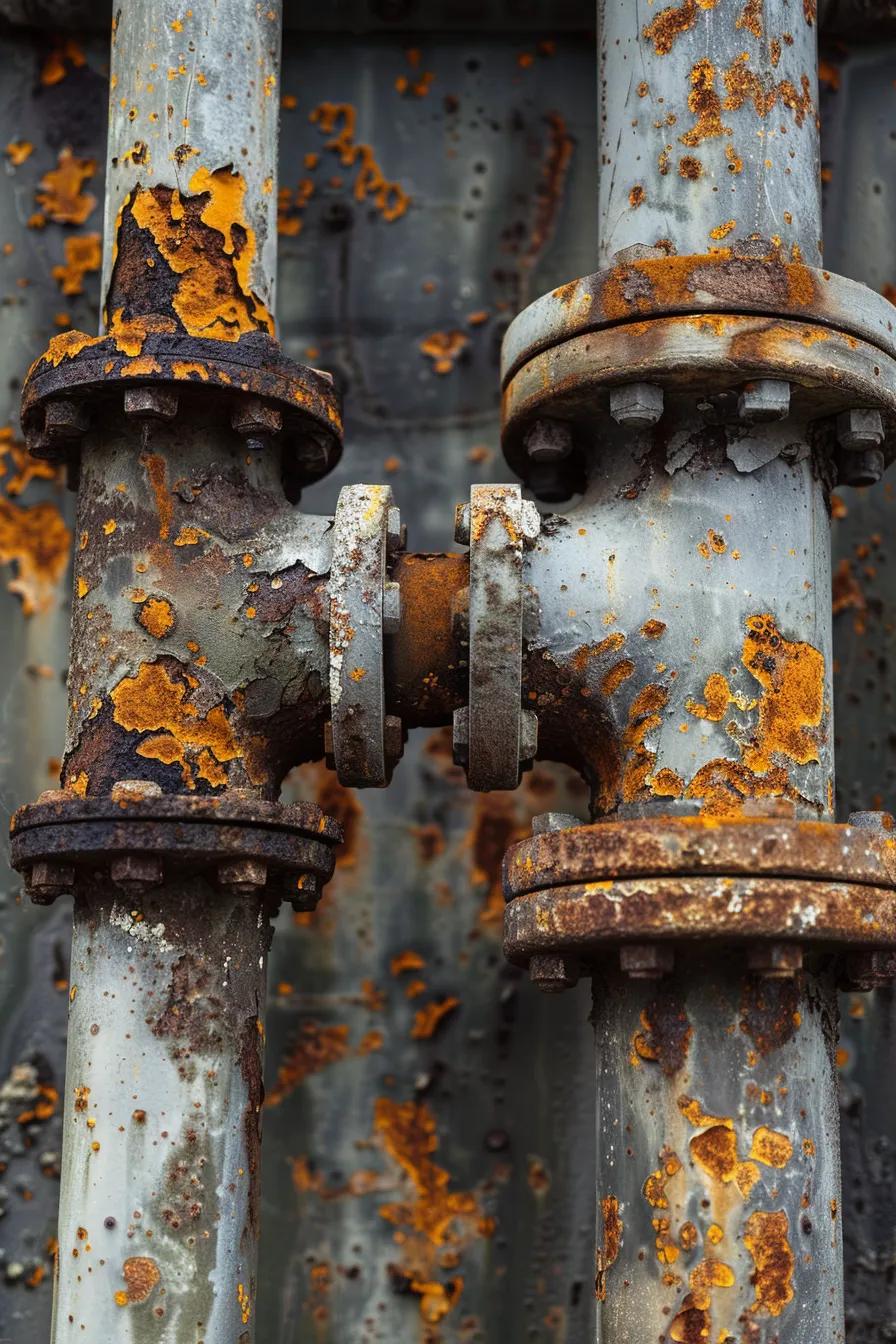
- Corrosion: Rusty pipes or fixtures can signal corrosion, which may lead to leaks or pipe failure.
- Low Water Pressure: A sudden drop in water pressure can indicate a leak or blockage in the plumbing system.
Being vigilant about these signs can help homeowners address plumbing issues before they escalate into more significant problems.
How to Use Leak Detection Techniques to Identify Hidden Plumbing Issues?
Homeowners can employ several leak detection techniques to identify hidden plumbing issues:
- Visual Inspection: Regularly check visible pipes and fixtures for signs of moisture or corrosion.
- Water Meter Test: Monitor your water meter for unusual changes in usage, which may indicate a hidden leak.
- Professional Leak Detection: Consider hiring a professional plumber who can use specialized equipment to detect leaks that are not visible.
By utilizing these techniques, homeowners can effectively identify and address plumbing issues before they lead to costly repairs.
What Are the Best Practices for Avoiding Pipe Bursts and Related Damages?
Pipe bursts can cause significant damage to your home and lead to costly repairs. Implementing best practices for pipe maintenance can help prevent these issues.
How Does Proper Pipe Insulation Reduce the Risk of Bursts?
Proper pipe insulation is essential for preventing pipe bursts, especially in colder climates. Insulating pipes helps maintain a consistent temperature, reducing the risk of freezing and subsequent bursting. Homeowners should focus on insulating pipes in unheated areas, such as basements, crawl spaces, and attics, to protect them from extreme temperatures.
What DIY Measures Can Prevent Pipe Freezing and Bursting?
Homeowners can take several DIY measures to prevent pipe freezing and bursting:
- Keep Thermostat Consistent: Maintain a consistent temperature in your home, especially during cold weather.
- Open Cabinet Doors: Allow warm air to circulate around plumbing fixtures by opening cabinet doors under sinks.
- Let Faucets Drip: During extreme cold, let faucets drip slightly to keep water flowing and prevent freezing.
By following these measures, homeowners can significantly reduce the risk of pipe bursts and the associated damages.
When Should You Call a Professional Plumber for Cost-Effective Repairs?
Knowing when to call a professional plumber is crucial for effective plumbing maintenance. Some plumbing issues require expert intervention to ensure proper repairs and prevent further damage.
Which Plumbing Issues Require Expert Emergency Repair Services?
Certain plumbing issues necessitate immediate professional attention, including:
- Major Leaks: If you notice a significant leak that cannot be contained, call a plumber immediately.
- Sewage Backups: A sewage backup poses health risks and requires urgent professional assistance.
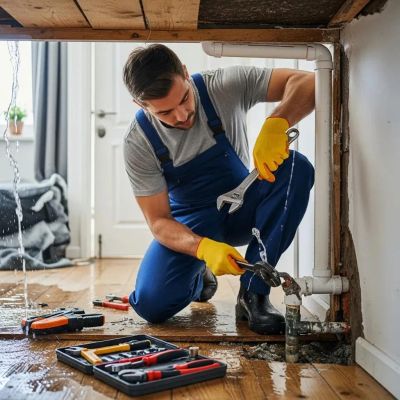
- Burst Pipes: If a pipe bursts, it is essential to shut off the water supply and contact a plumber right away.
Addressing these issues promptly can prevent extensive damage and costly repairs.
How to Choose Reliable Professional Plumbing Services in Denver?
When selecting a plumbing service, consider the following tips:
- Research Local Plumbers: Look for licensed and insured plumbers in your area.
- Check Reviews and Credentials: Read customer reviews and verify the plumber's credentials to ensure quality service.
- Get Multiple Quotes: Obtain quotes from several plumbers to compare pricing and services offered.
By following these steps, homeowners can find reliable plumbing services that meet their needs.
How Does Drain Cleaning Contribute to Preventing Expensive Plumbing Problems?
What Are the Best Drain Cleaning Practices to Avoid Clogs and Backups?
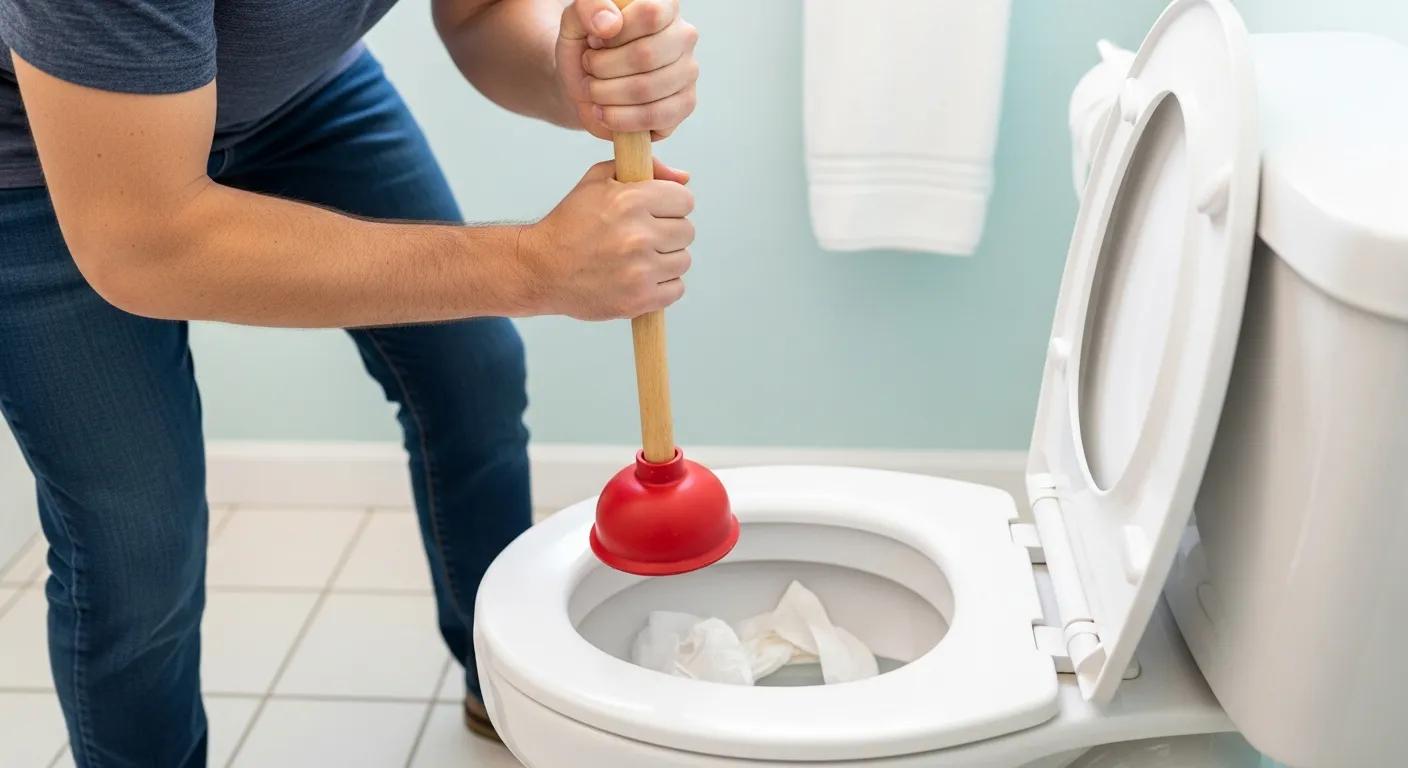
To avoid clogs and backups, homeowners should adopt the following drain cleaning practices:
- Use a Drain Strainer: Install strainers in sinks and tubs to catch hair and debris.
- Regularly Flush Drains: Use hot water or a mixture of vinegar and baking soda to flush drains and remove buildup.
- Avoid Chemical Cleaners: Opt for natural cleaning methods instead of harsh chemical drain cleaners that can damage pipes.
Implementing these practices can help maintain clear drains and prevent plumbing issues.
How Often Should Drain Maintenance Be Performed for Optimal Results?
Homeowners should perform drain maintenance at least once every 3 to 6 months to ensure optimal results. Regular maintenance helps prevent clogs and backups, keeping your plumbing system functioning smoothly. Additionally, consider scheduling professional drain cleaning services annually to address any hidden issues.
How Are Smart Leak Detection Technologies and Water Conservation Trends Shaping Plumbing Maintenance?
Modern technologies are transforming plumbing maintenance, making it easier for homeowners to detect leaks and conserve water.
What Are the Benefits of Integrating Smart Leak Detectors in Home Plumbing?
Integrating smart leak detectors into home plumbing systems offers several benefits:
- Real-Time Monitoring: Smart detectors provide real-time alerts for leaks, allowing for immediate action.
- Water Conservation: By detecting leaks early, homeowners can conserve water and reduce utility bills.
- Peace of Mind: Smart technology offers homeowners peace of mind, knowing their plumbing system is being monitored continuously.
These advancements in technology are making plumbing maintenance more efficient and effective.
How Can Water-Saving Devices Help Reduce Plumbing Failures and Costs?
Water-saving devices, such as low-flow faucets and toilets, can significantly reduce water usage and lower utility bills. By incorporating these devices into your plumbing system, you can minimize the risk of plumbing failures and contribute to water conservation efforts. Additionally, many water-saving devices are designed to be easy to install, making them accessible for homeowners looking to improve their plumbing systems.
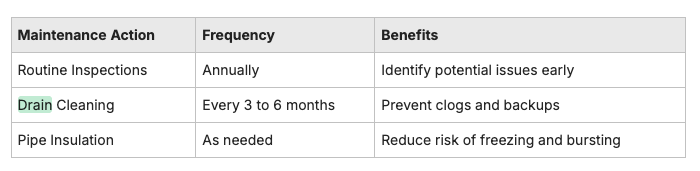
This table summarizes essential maintenance actions, their recommended frequency, and the benefits they provide. By adhering to these practices, homeowners can maintain a healthy plumbing system and prevent costly repairs.