Essential Plumbing Preventative Checklist for Homeowners
Essential Plumbing Preventative Checklist for Homeowners: Comprehensive Home Plumbing Maintenance Tips
Maintaining a home’s plumbing system is crucial for preventing costly repairs and ensuring a safe living environment. This comprehensive guide provides homeowners with essential plumbing preventative checklists, covering everything from routine inspections to emergency preparedness. By following these guidelines, you can identify potential issues before they escalate, saving time and money in the long run. This article will delve into the frequency of plumbing inspections, effective leak detection techniques, water heater maintenance, pipe insulation methods, and emergency preparedness strategies. With these tips, homeowners can take proactive steps to maintain their plumbing systems effectively.
How Often Should Homeowners Perform Plumbing Inspections?
Regular plumbing inspections are vital for identifying issues early and maintaining a healthy plumbing system. Homeowners should perform inspections at least once a year, with additional checks during seasonal changes. This proactive approach helps catch problems before they become significant repairs, ensuring the longevity of your plumbing system.
Indeed, research underscores that consistent preventive maintenance can effectively address and avert most common plumbing problems.
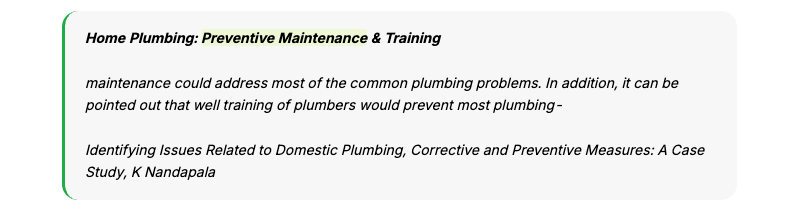
Monthly and Seasonal Plumbing Inspection Checklist for Homeowners
Homeowners can follow a structured checklist to ensure thorough inspections. Here are key tasks to include:
- Monthly Tasks: Check for visible leaks under sinks and around toilets.Inspect exposed pipes for signs of corrosion or damage.Test all faucets and showerheads for proper water flow and pressure.
- Seasonal Tasks: Inspect the water heater for leaks and sediment buildup.Check outdoor hoses and faucets for freezing damage in winter.Ensure sump pumps are functioning correctly before heavy rain seasons.
Key Signs to Detect Plumbing Leaks Early
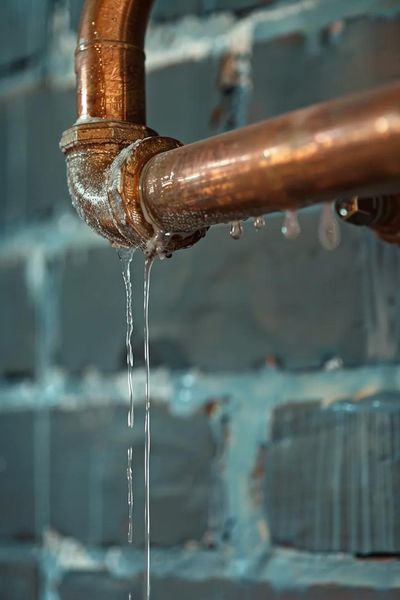
Detecting plumbing leaks early can save homeowners from extensive damage. Look for these signs:
- Water Stains: Discoloration on walls or ceilings may indicate hidden leaks.
- Unusual Sounds: Listen for dripping or running water when fixtures are off.
- Increased Water Bills: A sudden spike in your water bill can signal a leak.
What Are the Best Techniques for Leak Detection and Prevention?
Effective leak detection and prevention techniques are essential for maintaining a healthy plumbing system. Homeowners can utilize both DIY methods and advanced technology to identify leaks early.
DIY Leak Detection Methods for Home Plumbing Systems
Homeowners can perform simple checks to detect leaks:
- Visual Inspections: Regularly check all visible pipes and fixtures for signs of moisture or corrosion.
- Water Meter Checks: Monitor your water meter before and after a period of no water use. If the meter changes, a leak may be present.
- Dye Test: Add food coloring to toilet tanks. If the color appears in the bowl without flushing, there’s a leak.
Smart Leak Detection Devices: Benefits and Installation Tips
Investing in smart leak detection devices can enhance your plumbing maintenance efforts. These devices offer several benefits:
- Real-Time Alerts: Receive notifications on your smartphone if a leak is detected.
- Automatic Shutoff: Some devices can automatically shut off the water supply to prevent flooding.
(Interested learning more about Moen Flo? - our Nr1 go to leak detection device. Read more here.)
How Can Homeowners Maintain Their Water Heaters Effectively?
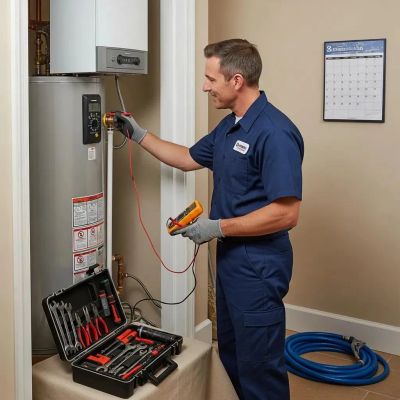
Regular maintenance of water heaters is crucial for efficiency and longevity. Homeowners should follow a structured maintenance schedule to ensure optimal performance.
Annual Water Heater Maintenance Schedule and Checklist
To keep your water heater in top condition, consider the following annual tasks:
The effectiveness and safety of flushing residential water heaters have been thoroughly examined in studies focusing on contaminant removal and energy implications.
Residential Water Heater Flushing & Maintenance
to flush chemically contaminated residential water heaters. The study examines fixture flow rates and water heater turnover and develops models used to estimate water heater flushing effectiveness, safety, and energy implications.
Predicting contaminated water removal from residential water heaters under various flushing scenarios, JK Hawes, 2017
- Flush the Tank: Remove sediment buildup by flushing the tank annually.
- Inspect the Anode Rod: Check the anode rod for corrosion and replace it if necessary.
- Test the Pressure Relief Valve: Ensure the valve is functioning correctly to prevent pressure buildup.
Troubleshooting Common Water Heater Issues
Homeowners may encounter several common water heater problems. Here are some troubleshooting tips:
- No Hot Water: Check the thermostat settings and ensure the pilot light is lit (for gas heaters).
- Strange Noises: Banging or popping sounds may indicate sediment buildup; flushing the tank can resolve this.
- Leaking Water: Inspect connections and the tank for signs of leaks; if the tank is leaking, it may need replacement.
What Are the Recommended Pipe Insulation and Protection Methods?
Proper insulation and protection of pipes are essential for preventing freezing and maintaining energy efficiency. Homeowners should consider various methods to protect their plumbing systems.
Seasonal Pipe Insulation Techniques to Prevent Freezing
During colder months, homeowners can take specific steps to insulate pipes:
Effective pipe insulation is a proven method to prevent freezing and protect plumbing systems, especially in colder climates, as highlighted by historical building practices.
Pipe Insulation for Freezing Prevention in Homes
A vapor barrier will prevent the corrosion of pipes and the potential for moisture damage. Seasonal residence built approximately 1955. The owner had to keep the pipes from freezing (previous years, they had drained the system).
Moisture control and insulation systems in buildings, chilled water pipes and underground pipes: a guide for architects, engineers, contractors, facility …, 1955
- Use Foam Insulation: Apply foam sleeves to exposed pipes in unheated areas.
- Heat Tape: Install heat tape on vulnerable pipes to provide additional warmth.
- Keep Cabinet Doors Open: Allow warm air to circulate around plumbing fixtures in cabinets during extreme cold.
Materials and Tools for Effective Pipe Protection
To effectively insulate pipes, homeowners should gather the following materials:
- Foam Pipe Insulation: Available in various sizes to fit different pipe diameters.
- Heat Tape: Electrical tape that provides warmth to pipes.
- Insulation Blankets: For wrapping around larger pipes or water heaters.
How to Prepare for Plumbing Emergencies with Preventative Measures?
Being prepared for plumbing emergencies can minimize damage and stress. Homeowners should have a plan in place to address potential plumbing failures.
Emergency Plumbing Preparedness Checklist for Homeowners
To prepare for plumbing emergencies, consider the following checklist:
- Locate Main Water Shutoff: Know how to quickly turn off the water supply in case of a major leak.
- Keep Essential Tools Handy: Have a plunger, wrench, and pipe tape readily available for minor repairs.
- Emergency Contact List: Maintain a list of trusted plumbers for quick access during emergencies.
Steps to Minimize Damage During Plumbing Failures
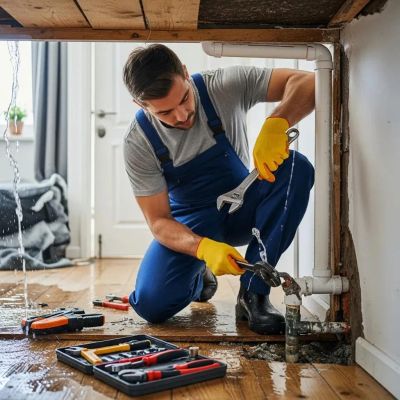
In the event of a plumbing failure, follow these steps to minimize damage:
- Shut Off Water Supply: Immediately turn off the main water supply to prevent further flooding.
- Remove Valuables: Move furniture and valuables away from the affected area to prevent water damage.
- Call a Professional: Contact a licensed plumber to assess and repair the damage promptly.
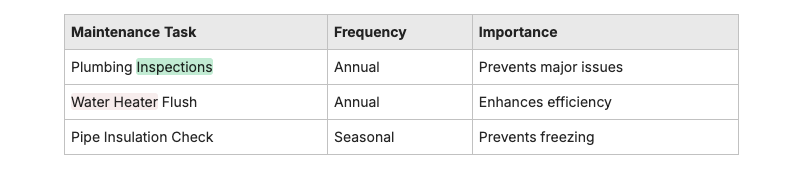
This table summarizes essential maintenance tasks, their frequency, and their importance in maintaining a healthy plumbing system.
Homeowners can significantly reduce the risk of plumbing issues by adhering to these preventative measures. Regular inspections, effective leak detection, and proper maintenance of water heaters and pipes are crucial for a well-functioning plumbing system. By preparing for emergencies, homeowners can ensure they are ready to tackle any plumbing challenges that arise.