The Denver Hard Water Guide: A Neighborhood-by-Neighborhood Resource
As homeowners and real estate professionals in the Denver metro area, understanding water hardness is more than just a matter of "spotty glasses." It’s about the longevity of your plumbing, the efficiency of your water heaters, and the overall maintenance costs of a home.
In Colorado, the Front Range acts as a geological divide. While snowmelt from the Rockies provides some of the softest water in the nation, the way that water is collected, stored, and blended across various municipalities creates a "Hardness Map" that varies significantly from one block to the next.
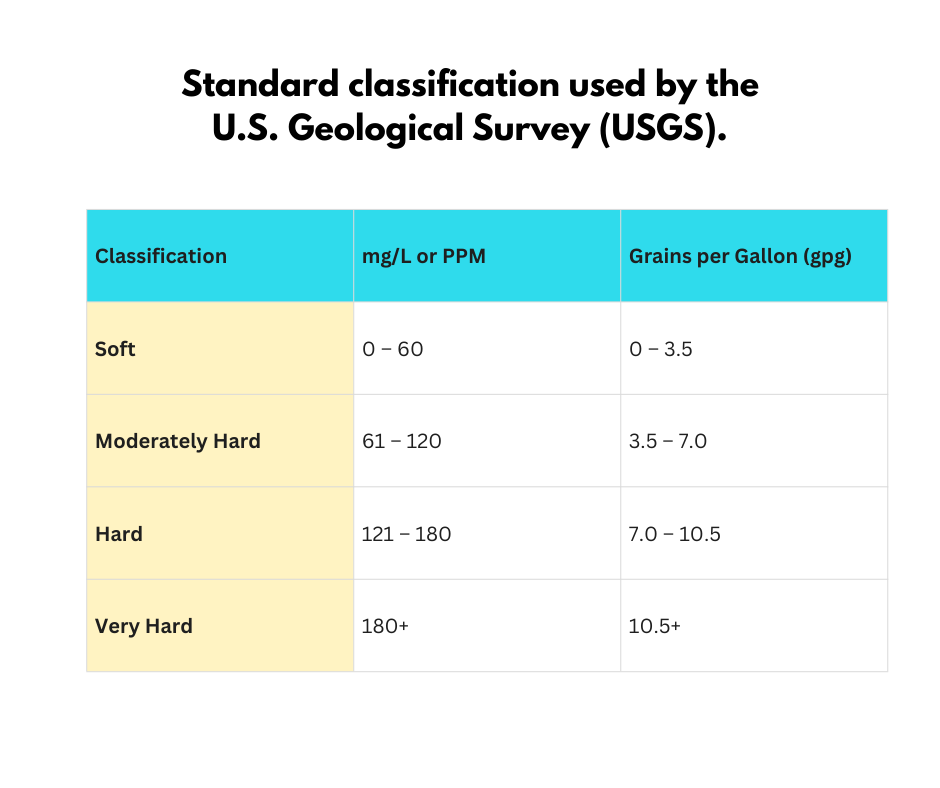
The Colorado Water Hardness Scale
Before diving into the neighborhoods, here is the standard classification used by the U.S. Geological Survey (USGS).
Denver Metro Neighborhood Breakdown (2025–2026 Data)
Water hardness in Denver is unique because it depends on which "collection system" feeds your pipes. The Northern System (sourced from the Fraser and Williams Fork Rivers) is naturally softer, while the Southern System (sourced from the South Platte River) tends to be harder.
1. The "Soft to Moderate" Zone (40–80 PPM)
These areas benefit from high percentages of mountain runoff.
Neighborhoods: LoDo, Highlands, Capitol Hill, Washington Park, and Cherry Creek.
Why: These central Denver neighborhoods are primarily served by Denver Water’s northern collection lines. Residents here rarely need a water softener, though a carbon filter is often used for taste.
2. The "Moderately Hard" Zone (80–130 PPM)
As you move into the suburbs, the water is often a blend of surface water and deep-well aquifers.
Areas: Lakewood, Wheat Ridge, Westminster, and Arvada.
Why: These municipalities utilize a mix of sources. In Westminster and Arvada, levels hover around 7–9 gpg. You will likely notice minor scale buildup on showerheads over 3-5 years.
3. The "Hard Water" Zone (130–180+ PPM)
In these high-growth areas, the reliance on the South Platte River and alluvial wells increases mineral content.
Areas: Aurora, Thornton, Littleton, and Centennial.
Why: Aurora is consistently reported as having some of the hardest water in the metro area, often reaching 10+ gpg. Homeowners here are the prime candidates for water softeners to protect high-end appliances.
4. The "Very Hard" Exception (180–250+ PPM)
Areas: Castle Rock, Pueblo, and parts of Highlands Ranch.
Why: Castle Rock relies heavily on groundwater from deep aquifers. Levels here can fluctuate between 11 and 15 gpg. Without treatment, water heaters in these areas can lose up to 25% efficiency in just two years due to sediment "plating" on the heating elements.
Why Real Estate Agents Should Care
For agents, water hardness is a "hidden" disclosure factor.
Value Protection: A home in Aurora or Castle Rock with a pre-installed, high-efficiency water softener has a higher "functional value" than one without.
Inspection Prep: Hard water scale is a common "ding" on inspection reports. Advising sellers to descale their fixtures before an open house can prevent buyers from worrying about "old plumbing."
Maintenance Tips for 2026
The Water Heater Flush: If you live in the "Hard" or "Very Hard" zones, you should flush your water heater every 6 months instead of the standard 12.
The Vinegar Soak: For Denver residents in the "Moderate" zone, a simple 20-minute soak of showerheads in white vinegar once a year will maintain full pressure.
Test, Don't Guess: Water hardness can change based on the season. During dry winters (like the one predicted for 2026), mineral concentrations increase as water levels in reservoirs drop.