Essential Plumbing Maintenance Tips for Homeowners: Your Complete Home Plumbing Maintenance Checklist
Keeping your home’s plumbing in good shape prevents costly surprises and everyday headaches. Too often, small issues get ignored until they become big repairs. This guide walks you through the maintenance tasks every homeowner should know — when to check things, how to care for your garbage disposal, smart drain-cleaning habits, leak prevention strategies, water heater upkeep, and seasonal tips that matter for Denver homes.
How Often Should Homeowners Perform Plumbing Maintenance?
Regular checks stop small problems from turning into emergency repairs. Aim for a basic plumbing review at least once a year, and pay extra attention to pipes, faucets, and your water heater. Spotting wear early saves time and money later.
What Is the Recommended Maintenance Frequency for Key Plumbing Components?
Different parts of your plumbing need attention on different schedules. Here’s a simple routine to follow:
- Pipes: Inspect once a year for leaks, corrosion, or damp spots.
- Faucets: Look for drips and loose handles every six months.
- Water Heaters: Service annually to keep them safe and efficient.
Sticking to these checks helps keep your system reliable and reduces the chance of surprise failures.
How Does Regular Maintenance Prevent Costly Repairs?
Taking a few minutes to inspect fixtures and fix small issues pays off. A slow drip left unchecked can cause water damage and mold — and those repairs are far more expensive than a quick fix. Homeowners who do routine maintenance generally spend less on emergency plumbing work and protect their home’s value.
How To Maintain Your Garbage Disposal Safely and Effectively
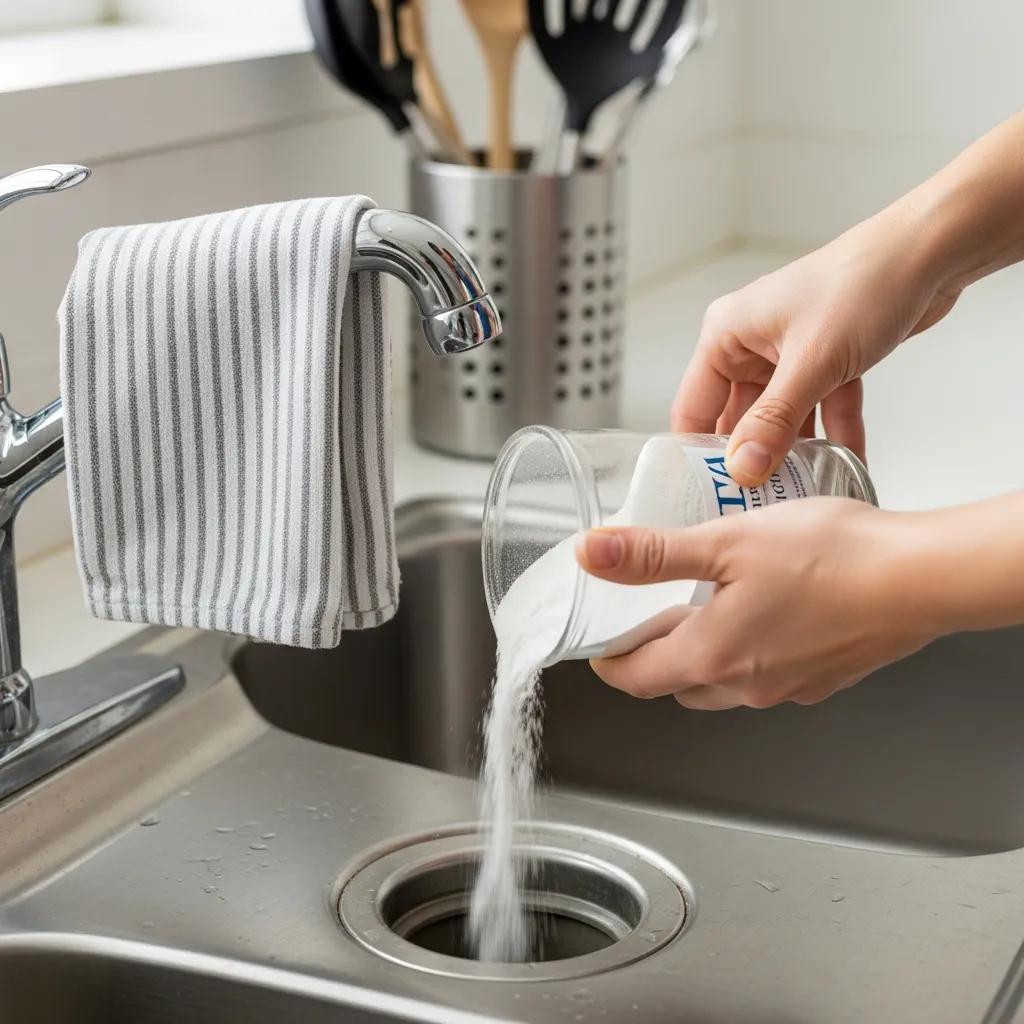
Garbage disposals make kitchen cleanup easier, but they need a little love to keep working. Regular cleaning and safe use will extend the life of the unit and reduce jams.
What Are the Best Practices for Cleaning and Troubleshooting Garbage Disposals?
Follow these straightforward habits to keep the disposal humming:
- Clean Regularly: Use baking soda and vinegar to remove odors and light buildup.
- Run Cold Water: Always run cold water while grinding food to flush particles through the drain.
- Avoid Hard Foods: Don’t feed bones, fruit pits, or stringy vegetables to the disposal.
These simple steps reduce clogs and help the motor last longer.
Which Tools and Safety Tips Are Essential for Garbage Disposal Care?
When you inspect or clear the unit, keep these tips in mind:
- Tools: A flashlight helps see inside the unit; an adjustable wrench can tighten mounts if needed.
- Safety Tips: Always unplug the disposal or switch off the circuit before working on it. Never put your hand inside the chamber.
Take safety seriously — if a problem looks complex, call a pro.
What Are the Most Effective Drain Cleaning Tips for Homeowners?
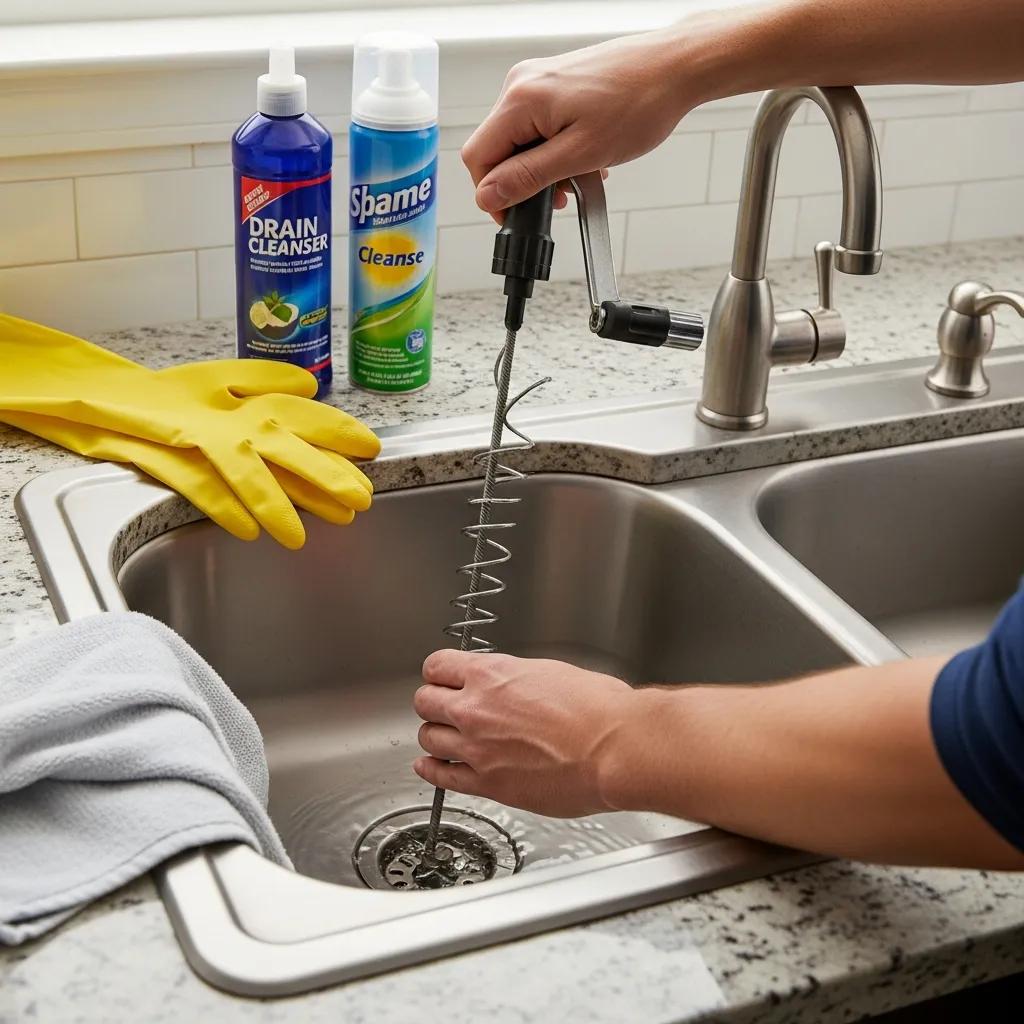
Clogged drains are a common annoyance. With a few preventive steps and the right fixes, most blockages are avoidable or solvable without a service call.
How Can You Prevent and Fix Clogged Drains Step-by-Step?
Try these easy steps to keep drains flowing:
- Use Drain Screens: Catch hair and food scraps before they enter the pipes.
- Regular Flushing: Pour hot water down sinks once a week to help dissolve grease and soap buildup.
- DIY Solutions: For minor clogs, use baking soda and vinegar, followed by hot water.
These habits cut down on slow drains and emergency clogs.
What Common Issues Affect Drains and How to Address Them?
Here are frequent drain problems and practical fixes:
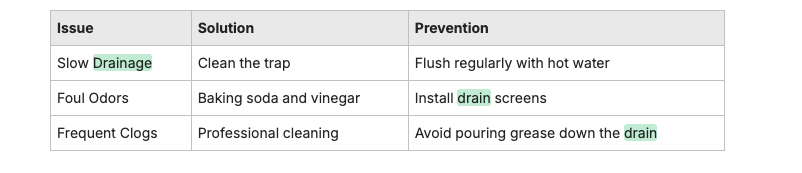
- Slow Drainage: Remove and clean the trap under the sink to clear blockages.
- Foul Odors: Clean the drain with baking soda and vinegar, then flush with hot water.
- Frequent Clogs: If clogs return, schedule professional drain cleaning to clear buildup deeper in the lines.
Understanding common problems makes it easier to choose the right solution.
How Can Homeowners Prevent Plumbing Leaks and Detect Them Early?
Leaks can quietly cause major damage. A few preventative steps and regular checks help you catch problems early, before they become costly.
What Are the Signs of Plumbing Leaks Every Homeowner Should Know?
Watch for these common warning signs:
- Unexplained Water Bills: A sudden rise in your bill can mean a hidden leak.
- Water Stains: Discolored spots on walls or ceilings often point to a leak nearby.
- Mold Growth: Mold or mildew usually means ongoing moisture — check for leaks.
Noticing these early gives you options to fix things before serious damage happens.
Which Leak Prevention Techniques and Tools Are Recommended?
Use these practical measures to reduce leak risk:
- Regular Inspections: Look under sinks and around appliances for dampness or corrosion.
- Water Leak Detectors: Install smart or battery-powered detectors in vulnerable areas to get early alerts.
- Pipe Insulation: Insulate exposed pipes to prevent freezing and cracking in cold months.
Recent research highlights advanced ways to spot household water loss early, including tools that read meters automatically.
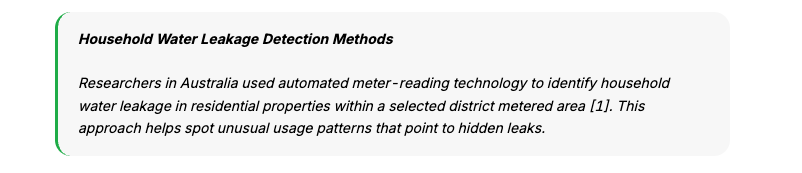
Combine these techniques with regular checks and you’ll catch leaks much sooner.
What Are Essential Water Heater Maintenance Tips for Longevity and Efficiency?
Your water heater works hard — annual care keeps it efficient and extends its life. Neglect can mean less hot water and earlier replacement.
How Often Should You Inspect and Service Your Water Heater?
Inspect your water heater at least once a year. Check the pressure relief valve, flush the tank to remove sediment, and look for any signs of leaking. Regular servicing keeps the unit running safely and efficiently.
What Are Common Water Heater Issues and How to Prevent Them?
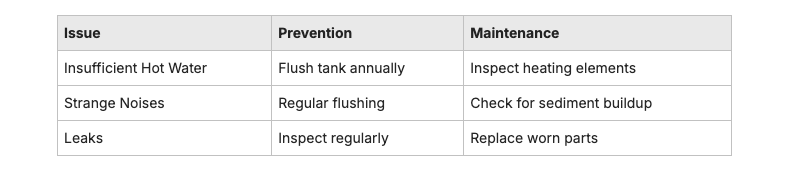
Watch for these problems and how to prevent them:
- Insufficient Hot Water: Often caused by sediment buildup — flush the tank annually.
- Strange Noises: Banging or popping usually means sediment is heating up — flushing helps.
- Leaks: Inspect around the base and connections; replace worn parts promptly.
Routine flushing and inspections are the best way to avoid unexpected failures.
How Do Seasonal Plumbing Maintenance Checklists Help Denver Homeowners?
Denver’s temperature swings make seasonal plumbing care especially important. A few seasonal tasks keep pipes safe and prevent weather-related failures.
What Seasonal Tasks Should Be Included in a Plumbing Maintenance Schedule?
Include these tasks in your seasonal checklist:
- Winter: Insulate exposed pipes and keep indoor temperatures steady to prevent freezing.
- Spring: Inspect for winter damage, check for leaks, and clear gutters and downspouts.
- Summer: Test outdoor faucets and irrigation systems for leaks and proper operation.
- Fall: Drain outdoor hoses, shut off exterior water supplies, and prepare pipes for the cold.
Seasonal care reduces the chance of burst pipes and costly repairs.
How Does Seasonal Care Reduce Plumbing Failures and Water Waste?
Addressing seasonal risks early saves water and avoids emergencies. By preparing for winter and checking systems after storms, you catch problems before they worsen. That means fewer repairs, less wasted water, and a safer home.
Follow these maintenance tips to protect your plumbing, cut repair costs, and keep your home comfortable. For more detailed guidance, visit https://mrperfectplumbing.com/blog/2026/february/plumbing-preventative-tips/
Frequently Asked Questions
What are the benefits of regular plumbing maintenance?
Regular maintenance prevents small problems from becoming big, expensive repairs. It improves system efficiency, cuts the risk of water damage and mold, and can lower water bills. In short, routine care saves money and stress over time.
How can homeowners identify plumbing issues before they become serious?
Be proactive: watch for rising water bills, stains on walls or ceilings, unusual sounds from pipes, and damp spots under sinks or around appliances. Regular visible inspections and installing leak detectors give you early warnings.
What should homeowners do if they discover a plumbing leak?
Shut off the water to the affected area if possible, then assess the leak. Small leaks can sometimes be temporarily patched, but for anything more than a minor drip, call a licensed plumber to find and fix the source properly.
Are there any DIY plumbing maintenance tasks homeowners can safely perform?
Yes. You can clean faucet aerators and showerheads, use baking soda and vinegar for minor clogs, check visible pipes for leaks, and flush your water heater if you’re comfortable doing so. For complex or risky repairs, hire a professional.
What are the signs that a water heater needs maintenance?
Look for reduced hot water, fluctuating temperatures, banging or popping noises, and any leaks around the unit. These are clear signs your water heater needs attention.
How can seasonal changes affect plumbing systems?
Cold weather can freeze and burst pipes; heavy spring rains can strain drainage systems; summer heat can affect outdoor fixtures. Adjust maintenance tasks by season — insulate in winter, check drains in spring, inspect outdoor systems in summer, and winterize in fall.
Conclusion
Routine plumbing maintenance is one of the best ways to protect your home and avoid unexpected costs. Follow the checks and tips in this guide, and you’ll keep your system running smoothly all year. Need help or a professional inspection? Visit our site for more resources and to contact our team.