Essential Plumbing Maintenance Checklist
Plumbing problems often show up without warning — and when they do they can cause big headaches and expensive repairs. Spotting the early signs that your plumbing needs attention is one of the easiest ways to protect your home. This guide walks you through the most common issues, what usually causes them, and the maintenance steps that actually work. We’ll cover warning signs, root causes, practical prevention tips, when to call a pro, and local rules that might affect your repairs.
Because many plumbing problems start small and hide in walls or under floors, a little homeowner vigilance goes a long way.
Plumbing Defects: Causes, Diagnosis, and Homeowner Awareness
Research on plumbing anomalies is limited, but existing studies aim to identify common defects, their likely causes, and how homeowners can diagnose and address them. Some defects only become visible once the system is in regular use — and some may remain hidden for years.
Plumbing defects in residential buildings: analysis of anomalies and their causes, A Gurmu, 2023
What Are the Most Common Signs of Plumbing Problems?
Catching issues early can save you time and money. Look for leaks, low water pressure, slow or gurgling drains, and odd noises from pipes. These are typically the first clues that something beneath the surface needs attention. Recognizing them early lets you fix small problems before they become major repairs.
How to Identify Signs of Pipe Leaks Early
Early leak detection prevents water damage and mold. Watch for water stains on ceilings or walls, damp spots, peeling paint, or a musty smell. Listen for dripping or the sound of running water when all fixtures are off. If you suspect a hidden leak, tools like moisture meters or infrared cameras can help pinpoint the problem behind walls or under floors.
Pinhole leaks are a particular challenge — they can stay hidden for a long time and cause a lot of damage before anyone notices.
Detecting Pinhole Leaks: Home Plumbing Corrosion & Repair Costs
Pinhole leaks are difficult to spot, especially when they occur in pipes that run through walls or beneath floors. Repair costs vary widely — from replacing a short section of pipe to repairing extensive water damage or replacing entire plumbing runs.
Incidence and costs of home plumbing corrosion, DJ Bosch, 2008
What Causes Low Water Pressure and How to Detect It
Low water pressure can come from clogged pipes or fixtures, unseen leaks, issues with the city supply, or a failing pressure regulator. You’ll notice it as weak flow from faucets or showerheads. Check aerators and showerheads for sediment buildup and test multiple fixtures — if pressure is low throughout the house the problem is likely upstream.
What Are the Underlying Causes Behind Plumbing Issues?
Knowing what typically breaks down helps you prevent it. Common root causes include pipe corrosion, accumulated debris or grease causing clogs, physical pipe damage, and improper installation. Tackling these causes directly reduces the chance of repeat problems.
How Does Pipe Corrosion Lead to Plumbing Failures?
Corrosion happens when water reacts with pipe materials, gradually weakening them and eventually causing leaks. Signs include rust-colored water, visible rust on exposed pipes, or flaking inside fixtures. Regular inspections make it possible to catch corroded sections before they fail and force costly, extensive repairs.
When corrosion leads to major failures, homeowners often face tough choices about repairing versus replacing plumbing sections — and those decisions can be expensive.
Homeowner Decisions: Plumbing Failure, Corrosion & Repair Costs
This study looks at how homeowners respond to corrosion-prone plumbing — weighing repair costs, replacement, and other practical considerations. When pinhole leaks or corrosion are present, repair and replacement expenses can be substantial.
Homeowners' decision‐making in a premise plumbing failure–prone area, J Lee, 2013
What Role Do Drain Clogs Play in Plumbing Maintenance Needs?
Clogs cause backups, slow drains, and overflows. They usually form from hair, grease, soap build-up, and items that shouldn’t be flushed. Prevent clogs with drain screens, avoid pouring grease down sinks, and don’t flush sanitary products. Regularly cleaning drains keeps water flowing and reduces emergency calls.
How Can You Prevent Plumbing Issues with Regular Maintenance?
Simple, consistent maintenance stops many problems before they start. Try these homeowner-friendly steps to keep your plumbing working reliably.
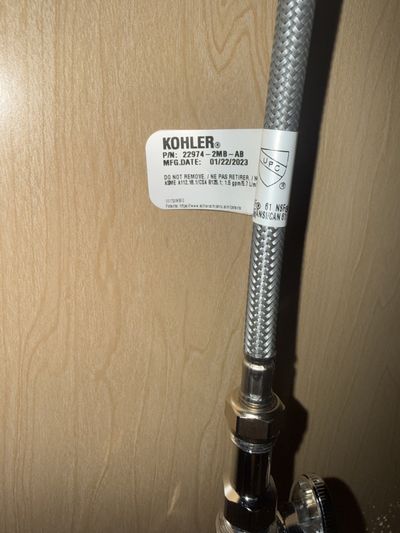
- Inspect for Leaks: Check around faucets, toilets, and under sinks for dampness or puddles.
- Maintain Water Pressure: Watch for sudden drops in flow and investigate right away.
- Clean Drains: Use gentle, natural cleaners — baking soda and vinegar — or a drain snake to clear buildup.
For a deeper check-up, schedule a professional plumbing inspection every so often.
What Are Effective DIY Plumbing Maintenance Tips?
You don’t need to be a pro to keep things in shape. Regularly check for leaks, remove and clean faucet aerators, flush your water heater once a year, and use drain strainers to catch debris. These low-effort steps extend equipment life and reduce service calls.
When Should You Schedule Professional Plumbing Inspections?
Have a licensed plumber inspect your system every 1–2 years, or sooner if you spot warning signs. Pros can find hidden issues, test water pressure and backflow devices, and recommend repairs or upgrades before they become emergencies.
When and How Should You Call a Plumber for Maintenance?
Knowing when to call a plumber saves time and money. If a problem is beyond quick DIY fixes or it risks damage to your home, bring in a professional.
What Are the Warning Signs That Require Professional Help?
Call a plumber right away for major leaks, sewage backups, persistent low pressure, rusty or discolored water, or if you suspect a hidden leak. These issues can cause rapid damage and need trained attention.
How to Choose Reliable Denver Plumbing Maintenance Experts?
Pick a plumber with solid reviews, proper licensing, clear pricing, and local experience. Ask for references, confirm insurance, and choose someone who understands Denver codes and typical area issues. A reliable local pro will save you headaches later.
What Local Denver Plumbing Regulations Affect Maintenance Practices?
Local codes and permits shape how some repairs and replacements must be done. Staying informed ensures your work is up to code and avoids potential fines or rework.
How Do Denver Codes Influence Plumbing Maintenance Requirements?
Denver plumbing codes set standards for installation, repairs, and safety. Familiarize yourself with common requirements — or let your licensed plumber handle code compliance during inspections and repairs.
What Are the Benefits of Using Local Plumbing Services in Denver?
Local plumbers respond faster, know regional issues, and understand city code nuances. They can troubleshoot problems specific to Denver homes and often provide faster, more tailored solutions — plus you’re supporting a local business.
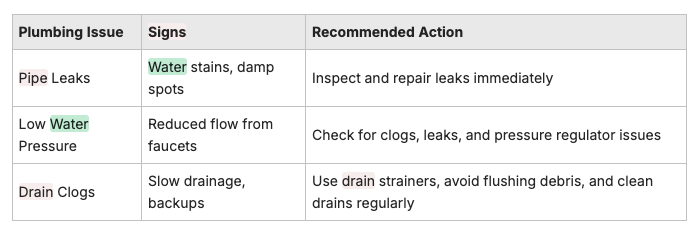
This quick table highlights common plumbing problems, the signs to watch for, and practical actions homeowners can take.
In short: recognizing early warning signs, understanding common causes, and doing basic maintenance will help you avoid expensive repairs. Regular inspections and timely fixes keep your plumbing reliable and your home safe.
Frequently Asked Questions
What are the long-term benefits of regular plumbing maintenance?
Regular maintenance extends the life of your plumbing, reduces surprise failures, and lowers repair costs over time. It also improves water efficiency — which can cut utility bills — and helps ensure your system meets local code requirements for safety and peace of mind.
How can I tell if my plumbing system is outdated?
Frequent leaks, low pressure, discolored water, visible rust, or recurring clogs are signs your system may be aging. Homes with galvanized pipes are especially likely to need upgrades. If you see multiple warning signs, schedule an inspection to evaluate whether replacement makes sense.
What should I do if I notice a sudden increase in my water bill?
A sudden spike in your bill often points to a leak. Check visible fixtures, toilets, and the area under sinks. If you don’t find anything, watch your water meter with all water off — a changing meter indicates a hidden leak and it’s time to call a plumber.
Are there specific plumbing maintenance tasks I should perform seasonally?
Yes. In fall, check for leaks and insulate exposed pipes to prevent freezing. In spring, inspect sump pumps and clear gutters to avoid water intrusion. Flush your water heater and clean slow drains at least once a year to maintain efficiency.
What are the risks of ignoring plumbing maintenance?
Ignoring maintenance can lead to extensive water damage, mold, structural problems, and steep repair bills. It also reduces water efficiency and could put you out of compliance with local codes, which can lead to fines or additional repair requirements.
How can I prepare for a plumbing emergency?
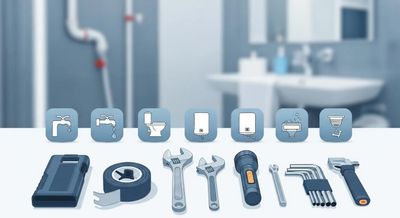
Know where your main water shut-off valve is and practice turning it off. Keep a plunger and adjustable wrench handy, and save the contact info for a trusted plumber. Preventive maintenance reduces emergencies, but being prepared helps limit damage if one occurs.